


Getting your website to appear on Google’s first page can feel like a challenge, especially with so many websites competing for attention. The good news is that you do not need complicated tricks to improve your chances.
What you need is a smart strategy that focuses on making every page clear, useful, and easy enough for both visitors and search engines to understand.
That is where an on-page SEO checklist becomes valuable. Instead of guessing what to improve, a checklist helps you optimize every important part of your page, from your title and headings to your content and images. Small improvements made consistently can have a big impact over time.
In this blog post, you will learn the essential steps that help pages rank better, attract more visitors, and provide a better experience for readers.
Whether you own a business website, run a blog, or manage an online store, these practical tips will help you build stronger pages that Google and your audience appreciate.
What Is On-Page SEO?
On-page SEO is the process of improving the content and elements on a webpage so search engines can understand it better.
It includes everything you can control directly on your page, such as the title, headings, keywords, images, internal links, and overall content quality.
Think of your webpage like a classroom presentation. If your information is organized, easy to read, and answers the audience’s questions, people pay attention.
Search engines work in a similar way, they look for pages that are well-structured, informative, and helpful.
How On-Page SEO Differs from Off-Page SEO
On-page SEO focuses on changes you make on your own website. Whereas off-page SEO, on the other hand, involves actions that happen outside your website, such as earning backlinks from other trusted websites or building your online reputation.
You have direct control over on-page SEO, which makes it the best place to start before investing time in other SEO strategies.
Why On-Page SEO Matters for Rankings and Organic Traffic
Google actually wants to show its users the most useful results for every search. If your page is easy to understand, answers questions clearly, loads quickly, and provides a good experience, it has a better chance of appearing higher in search results.
Good on-page SEO also keeps visitors engaged. When people spend more time reading your content and exploring your website, it sends positive signals that your page is valuable.
Before Starting, Make Sure to Understand Search Intent
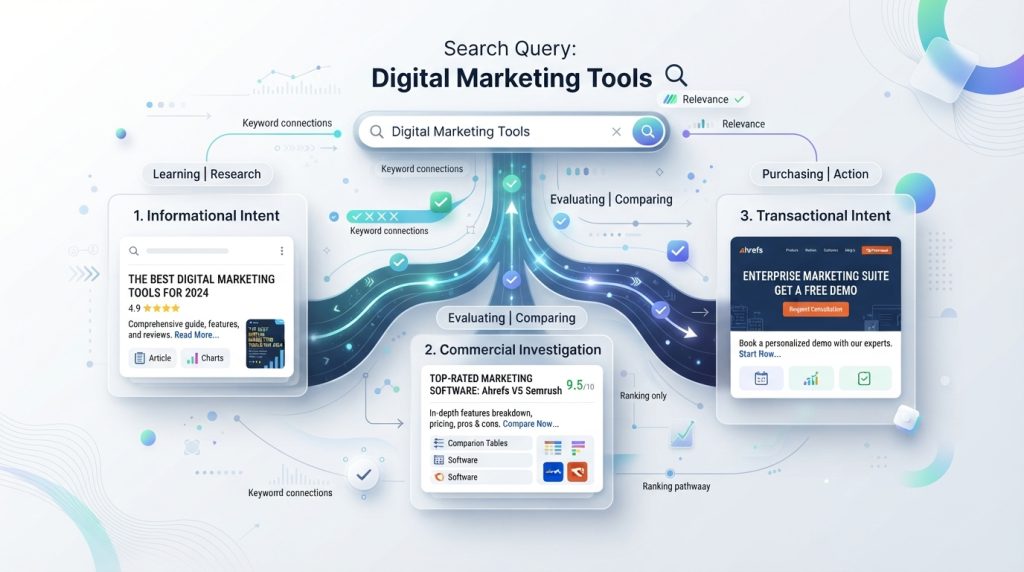
Search intent matters a lot, and before writing any content, take a moment to think about why someone is searching for a specific keyword.
Identify What Your Audience Is Looking For
Imagine someone searches for “how to bake a chocolate cake.” They probably want a recipe, not the history of chocolate cakes. Understanding this simple difference helps you create content that satisfies readers.
Look at the top search results for your keyword. They often reveal what people expect to find.
Match Your Content to User Intent
If readers want a step-by-step guide, provide one. If they want product comparisons, give detailed comparisons. Matching your content with user intent increases the chances that visitors stay longer and find exactly what they need.
The Complete On-Page SEO Checklist
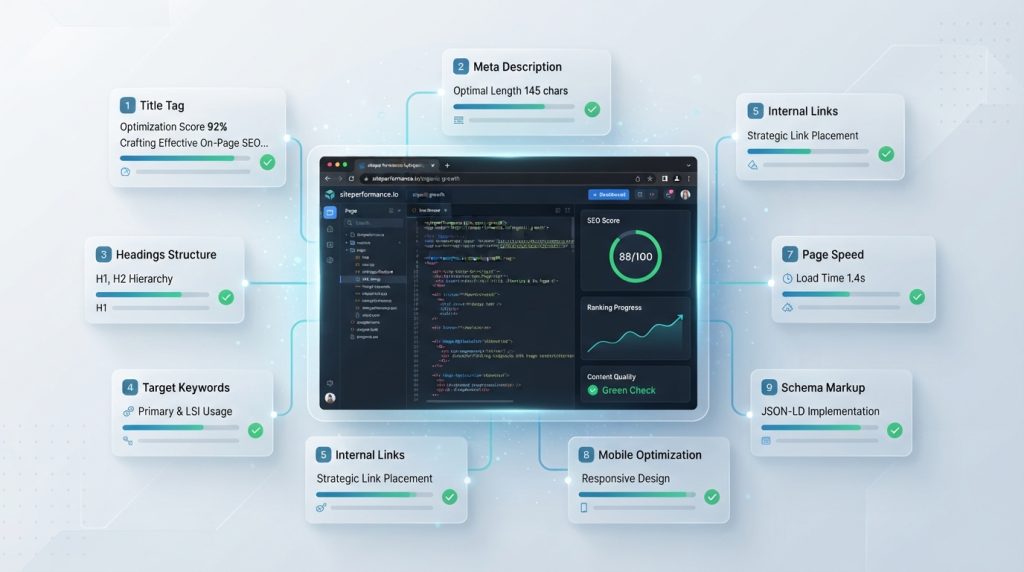
1. Choose the Right Primary Keyword
Every page on the website should focus on one main keyword that represents its primary topic. This assists Google in understanding what your content is about and improves its relevance for related searches.
Choose a keyword that matches your target audience’s needs rather than just selecting one with the intent that it has a high search volume.
2. Research Related and Secondary Keywords
People search using different words to find the same information. Including related keywords naturally throughout your content helps search engines understand your topic more completely.
The related terms should fit naturally into your content instead of just being stuffed into every other paragraph.
3. Write an SEO-Friendly Title Tag
Your title tag is often the first thing people notice in search results. A clear and engaging title encourages more people to click.
Include your main keyword when appropriate, keep the title tag descriptive, and make readers curious about what they will learn.
4. Create a Compelling Meta Description
Although the meta description is an indirect ranking factor, it plays a pivotal part in attracting clicks.
Write a short, compelling summary that tells readers exactly what they can expect after opening your page. A strong description often leads to a higher click through rate.
5. Use a Clean and Keyword-Rich URL
Simple URLs are easier for both users and the search engines to understand.
Instead of using random numbers or unnecessary words, create short URLs that clearly describe the page’s topic.
6. Add One Clear H1 Heading
Your H1 heading tells readers and search engines the main subject of the page. Every page should have one clear H1 that matches the overall topic.
Avoid using multiple H1 headings because they can create confusion.
7. Organize Content with H2 and H3 Headings
Large blocks of text are not that pleasing to read. Breaking your written content into smaller sections with easily understandable and meaningful headings helps readers quickly find the information they need.
A well-organized article also makes it easier for Google to understand the relationship between different topics.
8. Write High-Quality Content That Solves the Reader’s Problem
Helpful content is always the foundation of successful SEO.
Focus on solving problems, providing practical advice and answering frequently asked questions. Use simple language, real examples, and clear explanations that readers can easily follow.
9. Naturally Include Your Target Keywords
Keywords should fit naturally into your sentences. Writing for people should always come before writing for search engines.
A well-written article feels smooth because the keyword appears where it makes sense instead of being repeated unnecessarily. Following an on page seo checklist helps you maintain that balance.
10. Optimize the First 100 Words
The introduction part of your article tells both readers and the search engines what this page is actually about.
Introduce the topic quickly, explain the value readers will receive, and encourage them to continue reading.
11. Improve Content Readability
Easy to read content keeps visitors engaged longer.
You can improve readability by:
- Writing short paragraphs.
- Using simple words instead of technical jargon.
- Keeping sentences clear and direct.
- Adding headings where needed.
- Avoiding unnecessary repetition.
When readers enjoy your content, they are more likely to stay on your page.
12. Add Internal Links
Internal links connect one page of your website to another.
For example, if you have another article about keyword research, linking to it helps readers discover more useful information. Internal links also help search engines understand the structure of your website.
13. Link to Trusted External Sources
Sometimes adding links to reliable sources strengthens your content. Trusted references show that your information is supported by credible research and industry knowledge.
Only link to websites that are accurate, relevant, and trustworthy.
14. Optimize Images
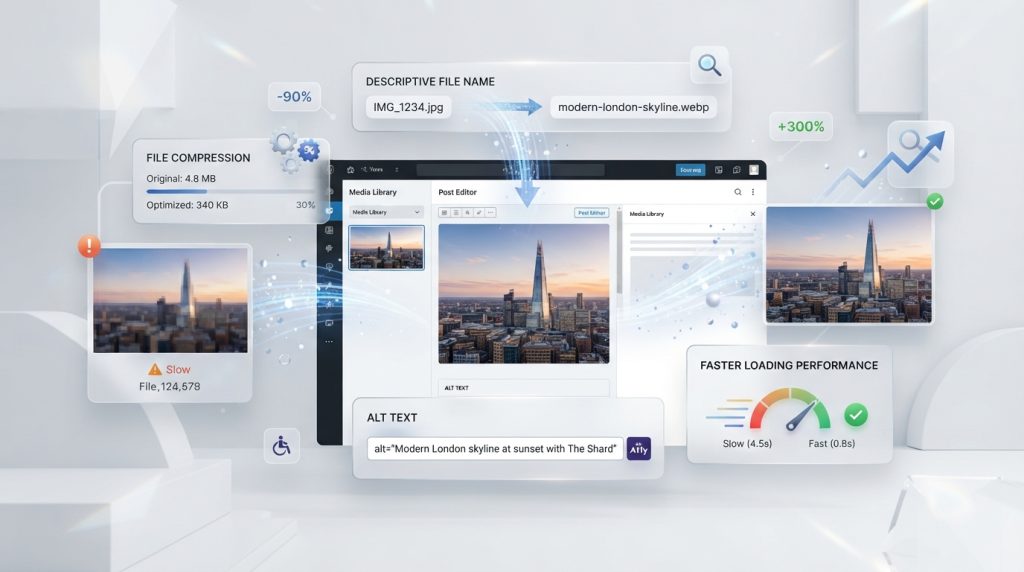
Images make your content more engaging, but they should also support SEO.
Use Descriptive File Names
Instead of uploading a file with a random name like “IMG1234,” rename it with words that actually describe the image, which gives search engines more context.
Add Helpful Alt Text
Alt text explains what an image actually shows. It helps visually impaired users and allows search engines to understand image content more effectively.
Compress Images for Faster Loading
Large image files slow down websites. Compressing images reduces loading time without making them look blurry.
A fast loading website creates a better experience for visitors.
15. Improve Page Speed
People do not like waiting for slow websites. If the website page takes too long to load, visitors may leave before reading anything.
Improve load speed by compressing large files, minimizing unnecessary scripts, and using reliable web hosting. Faster pages often perform better in search results.
16. Make Your Website Mobile Friendly
Most people now browse the internet using smartphones. Your website should look clean and work smoothly on every screen size.
Check that text is easy to read, buttons are simple to tap, and images display correctly on mobile devices.
17. Add Schema Markup Where Appropriate
Schema markup provides search engines additional information about your content.
It can help display rich results such as star ratings, FAQs, recipes, or product details. Although it requires some technical setup, it can improve your visibility in search results.
18. Optimize for Featured Snippets
Featured snippets appear above regular search results and often answer users questions immediately.
To improve your chances, answer common questions clearly, use descriptive headings, and provide concise explanations where appropriate.
19. Include a Strong Call to Action
Every page should guide readers toward the next step. Depending on your goals might encourage visitors to contact you, subscribe to your newsletter, download a guide, or read another helpful article.
A clear call to action keeps readers engaged instead of letting them leave your website.
20. Regularly Update Existing Content
SEO is not something you do once and forget.
Review older articles regularly to update facts, improve examples, fix broken links, and refresh outdated information. Even small updates can improve rankings over time.
Using an on-page SEO checklist during every update helps ensure nothing important is overlooked.
Common On-Page SEO Mistakes to Avoid

Many websites fail to rank because they overlook simple details rather than making major mistakes.
One common problem is keyword stuffing. Repeating the same keyword too often makes content difficult to read and can hurt your rankings.
Another common mistake is publishing duplicate content on multiple pages of the website, which can confuse search engines about which page to rank.
Many website owners also forget to add internal links, leaving visitors with nowhere to go after finishing an article. Slow loading pages are another issue because users quickly lose patience when websites take too long to open.
Poor heading structure can also make content feel disorganized. Readers should always be able to scan your page and understand what each section covers. Reviewing your work with an on page SEO checklist before publishing helps catch these issues early.
Helpful On-Page SEO Tools
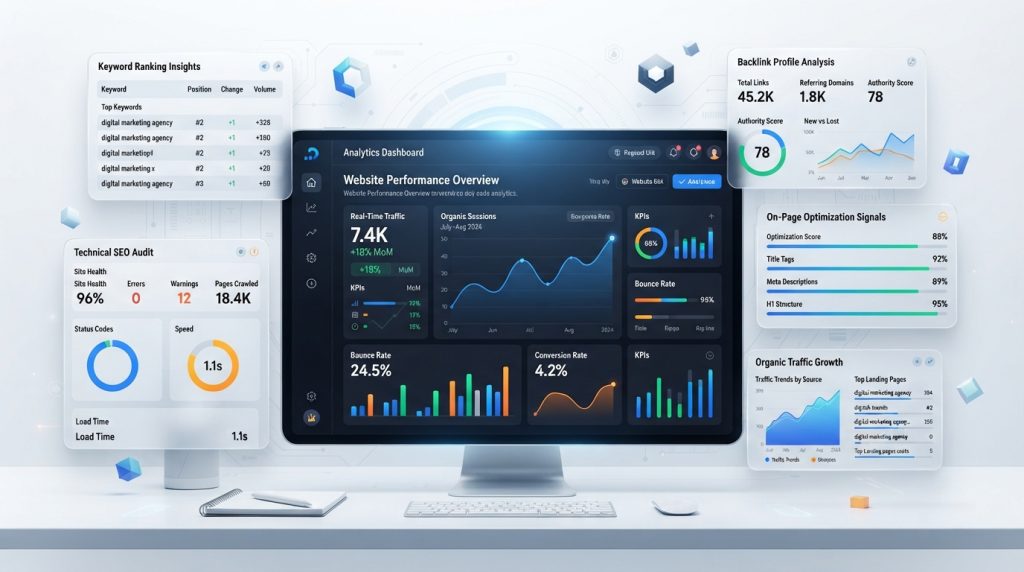
Fortunately, you do not have to do everything manually. Several tools make optimization much easier.
Google Search Console helps you monitor your website’s performance, identify indexing issues, and discover which keywords bring visitors to your pages.
Google Analytics provides valuable insights into user behavior, which helps you to understand which page performs well and where improvements are needed.
Google Keyword Planner is useful for discovering keyword ideas and understanding search demand. Screaming Frog SEO Spider helps identify technical issues such as broken links and missing titles.
Professional tools like Ahrefs and Semrush provide detailed SEO analysis, keyword tracking, backlink research, and competitor insights. Google PageSpeed Insights helps measure your website’s speed and suggests improvements that create a better user experience.
How to Measure Whether Your On-Page SEO Is Working
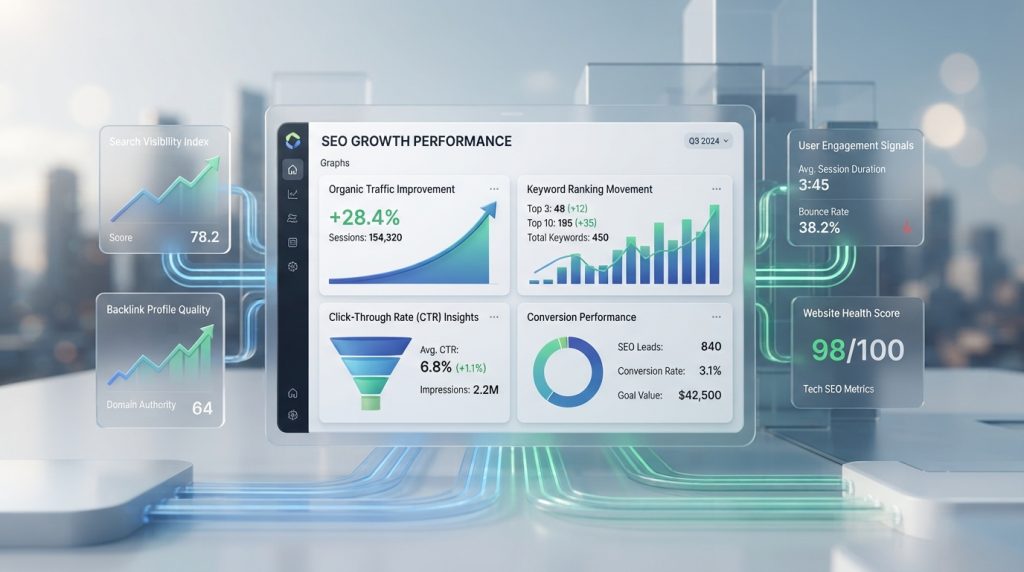
After making improvements, it is important to track your progress. SEO takes time, so measuring results helps you understand what is working.
Watch your organic traffic to see whether more visitors are arriving from search engines. Keeping an eye on keyword rankings to determine whether your target pages are moving higher in search results.
Monitor your click-through rate because a better title and meta description often lead to more clicks. Also pay attention to bounce rate and user engagement.
If visitors stay longer and explore more pages, that means your content is likely meeting their expectations.
Finally, measure conversions. Whether your goal is newsletter signups, product sales, or contact form submissions, successful SEO should contribute to meaningful business results.
A consistent on page SEO checklist makes tracking and improving these metrics much easier.
Conclusion
Strong rankings rarely happen by accident. They are the result of creating helpful content, organizing it well, and making every page easy for both readers and search engines to understand.
The best part is that you do not have to master everything overnight. Start with one page, improve each element step by step, and continue refining your content over time.
Small improvements made consistently often produce impressive long-term results.
Remember that SEO is about helping people first. When your content answers real questions, loads quickly, and provides a great experience, search engines are much more likely to reward your efforts.
Keep this on-page SEO checklist close whenever you create or update content. Following these best practices consistently, you will build stronger pages, earn more visibility, attract the right audience, and create lasting growth for your website.
Frequently Asked Questions
An on-page SEO checklist is a list of important tasks that help optimize a webpage for search engines and users. It usually includes steps like choosing the right keyword, writing a strong title tag and meta description, using clear headings, adding internal links, optimizing images, improving page speed, and creating high-quality content. Following a checklist helps ensure that no important SEO element is missed before publishing or updating a page.
An on-page SEO checklist helps keep your website well organized, user-friendly, and search engine friendly. It ensures every page follows SEO best practices, making it easier for Google to understand your content. A properly optimized page has a better chance of ranking higher in search results, attracting more visitors, and providing a better experience for users.
A complete on-page SEO strategy should include keyword research, search intent analysis, optimized title tags and meta descriptions, clear heading structure, high-quality content, internal linking, image optimization, mobile responsiveness, fast page speed, and regular content updates. It should also focus on improving readability and making each page valuable to visitors.
Keywords help search engines understand what your content is about. When you use relevant keywords naturally throughout your page, Google can better match your content with users’ search queries. The key is to use keywords where they fit naturally without overusing them, while ensuring the content answers the reader’s questions.
Start by understanding what your audience is searching for, then create helpful content that answers their questions clearly. Use a descriptive title, organize your content with headings, include relevant keywords naturally, optimize your images, add internal links to related pages, and make sure your website loads quickly and works well on mobile devices. Regularly updating your content also helps keep it relevant and competitive.
Some of the most common mistakes include keyword stuffing, publishing duplicate content, writing weak title tags, ignoring meta descriptions, using poor heading structures, forgetting internal links, uploading large unoptimized images, and having slow-loading pages. Businesses should also avoid creating content that does not match user search intent, as this can reduce engagement and rankings.
On-page SEO helps search engines understand your content and determine when it should appear in search results. When your pages are properly optimized, they are more likely to rank for relevant searches. Higher rankings lead to increased visibility, which attracts more organic traffic from people actively looking for the products, services, or information you provide.
If you have the time and knowledge, you can handle many on-page SEO tasks yourself. However, hiring an experienced SEO agency can be a smart investment if you want faster results, have a large website, or need a comprehensive SEO strategy. A reputable agency can identify opportunities, fix technical issues, optimize your content, and help your website achieve sustainable long-term growth.
Ready to Improve Your Google Rankings?
A strong SEO strategy can help your website attract more visitors, improve search visibility, and create better opportunities for growth. At American Design Agency LLC, we help businesses build stronger digital experiences through website design, digital marketing, and online growth solutions.
Explore how American Design Agency LLC can help you improve your online presence and build a stronger foundation for long-term success.
Book your free project consultation call
